
Dialova team ·
Romance Scams: 10 Warning Signs
Requests for money, emergencies, guilt trips, fake profiles: ten signals to step back from an online relationship, with examples and the right reflexes to protect yourself.
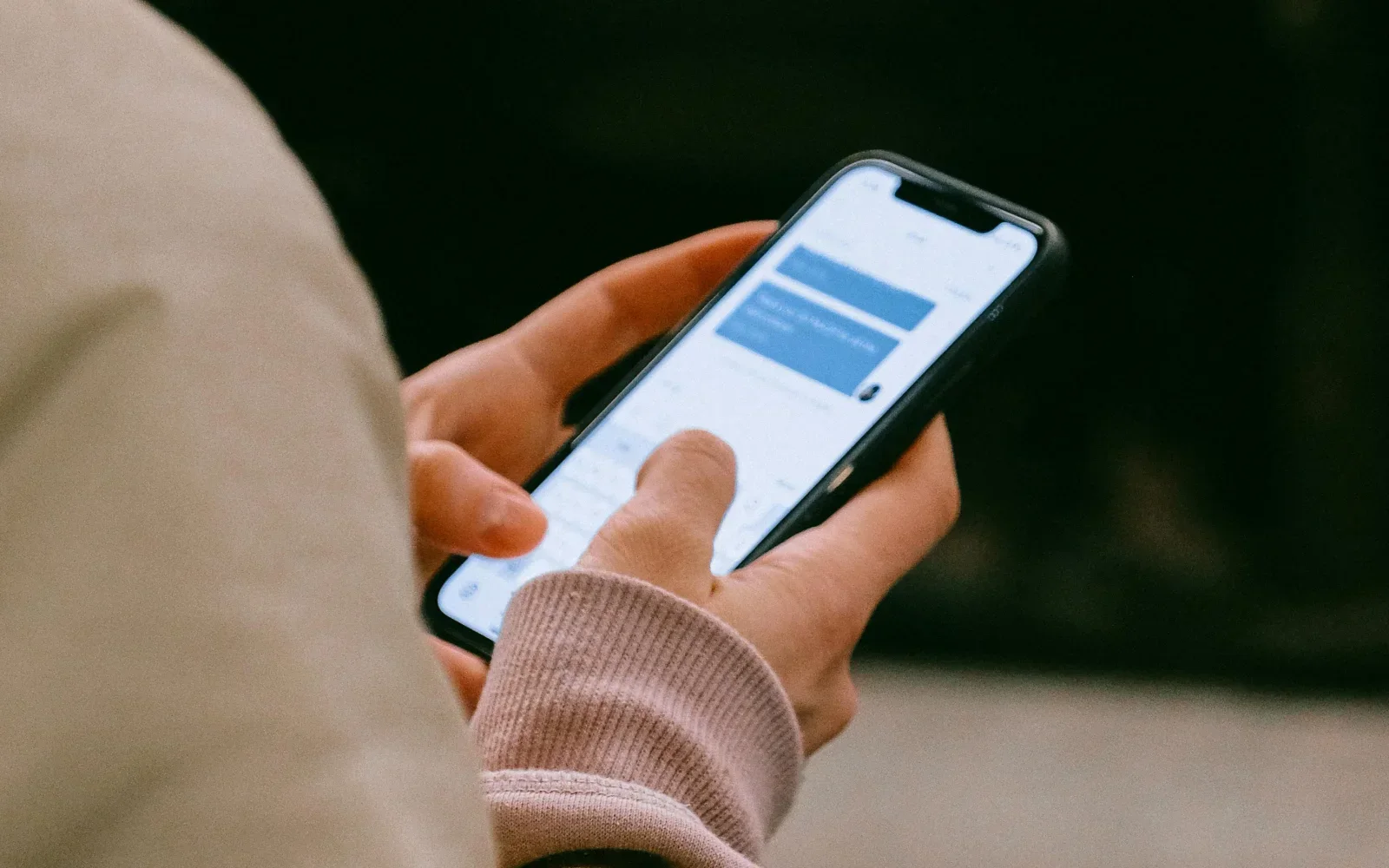
A pleasant message, exchanges that become daily, the feeling of finally meeting someone who understands you… An online relationship can be genuine. But this trust can also be exploited to obtain money, personal information, or intimate images.
A romance scam doesn’t always begin with a declaration of love. It can take the form of friendship, support during a difficult time, or a growing sense of connection. The key is to recognize when a conversation becomes a form of pressure.
Here are ten signs that should prompt you to take a step back. This isn't a scored test: a single sign doesn't prove fraud, and a suspicious request for money is enough to pause. The message examples in this article are fictional.
1. The relationship becomes very intense, very quickly
You barely know each other, but the person is already talking about living together, exclusivity, or important projects. They write to you constantly and expect you to be just as available.
"We've never met, but I know you're the person I want to build everything with."
Enthusiasm isn't proof of a scam. Pay attention to whether you can slow things down without facing reproach or pressure. The French Ministry of the Economy lists rushed declarations as a possible alert.
The right response: keep your pace. A pleasant conversation doesn't commit you to any promises.
2. Every opportunity to meet or talk live falls through
Meetings get canceled, the camera never works, an unexpected trip prevents seeing each other again. The problem isn't a cancellation, but the repetition of obstacles while trust requests become stronger.
"I really wanted to come, but there's still a problem. Don't doubt me."
The right approach: observe the facts over time. Refusing the webcam is a right, not proof of lying. Conversely, a video call isn't enough to guarantee an identity or honest intentions. You don't have to send an intimate image to get "proof" in return.
3. Their story changes when you ask simple questions
The place of residence, dates, or family situation no longer match what was previously told. An ordinary question provokes a disproportionate reaction.
"You said you were back on Monday, and now you're still traveling?"
A mistake or forgotten detail doesn't allow you to conclude. It's the accumulation of inconsistencies, combined with other pressures, that deserves your attention.
The right approach: ask for clarification, without turning into an investigator. If the exchange exhausts you or worries you, you can interrupt it. A profession, an accent, or a country doesn't allow you to determine if someone is honest.
4. They Want You to Leave the Site Immediately and Keep It Secret
Exchanging phone numbers isn't suspicious in itself. It becomes concerning when the person insists despite your refusal, dismisses all your loved ones, or asks you to not talk about the relationship with anyone.
"Your friends wouldn't understand. Promise me you won't tell them anything."
Isolation reduces opportunities to gain perspective. The Federal Trade Commission, a US consumer protection agency, specifically describes the rapid shift to another messaging app in romance scam scenarios.
The right response: stay connected with a trusted person. Remaining on the original service can facilitate reporting, without guaranteeing your safety alone.
5. An Emergency Appears and Only You Can Resolve It
After a period of closeness, an accident, a trip being blocked, or a family problem justifies a request for financial assistance. Action is needed today, without delay.
"I only need 120 euros to resolve the situation. After that, I'll be able to come."
Fake emergencies are part of the scenarios described by the Ministry of Economy. A document sent in the conversation isn’t enough to make the story believable.
The right response: don’t pay emotionally. Close the conversation to discuss it with someone. You’re not responsible for resolving the financial difficulties of an online acquaintance.
6. The requested payment is unusual or must go through a third party
You’re asked for a gift card code, prepaid coupons, cryptocurrency, or a transfer to a person whose name doesn’t match the profile. A small amount may be followed by another, then a new “final obstacle.”
“Just buy the coupon and send me the code. I’ll reimburse you tomorrow.”
The FTC highlights the risks of these payment requests, which can make recovering funds difficult.
The right response: don’t send money or codes. Don’t receive funds either to send them to someone based on instructions from an online contact. A relationship shouldn’t turn you into a financial intermediary.
7. You’re asked for too much personal information
Your precise address, your habits, an ID card, or an intimate photo become “trust signals.” The other person presents your boundaries as a lack of affection.
“If you really trusted me, why won’t you send me that?”
The CNIL recommends controlling the information you share on dating services. You can get to know someone without giving access to your entire life.
The right response: share gradually and maintain your boundaries. Never communicate your password, a code received by SMS, a two-factor authentication code, or a login link. You can refuse a photo or webcam request without explanation.
8. Romantic Conversation Turns into Investment Advice
Your conversation partner seems successful in trading or cryptocurrencies. They offer to guide you, show you profits, and direct you to a platform. Investing becomes a couple’s project or a trust signal.
“We could finance our future together. I’ll show you how to start with a small amount.”
The Autorité des marchés financiers describes these contacts via dating sites and messaging apps. Personal trust can be used as an entry point to a false financial offer.
A Smart Response: Separate relationships from money. Don't rely on a balance or a snapshot of gains. Verify a proposal from official AMF resources, accessing them yourself rather than through a link from your contact.
9. Your Limits Trigger Guilt, Anger, or Blackmail
A refusal to pay or send a photo provokes insults, threats of a breakup, or the promise to spread private exchanges. The pressure may be on images already sent.
"If you don't pay, I'll send everything to your contacts."
A Smart Response: Don't pay and don't send any additional content. Keep any useful evidence, report, and block the account. If there's a threat to spread intimate images, consult the advice on sextortion from Cybermalveillance.gouv.fr. Talking to a trusted person can help you overcome the imposed urgency. Having given your trust doesn't make you responsible for the blackmail you've suffered.
10. Photos or Links Don't Match the Stated Identity
A photo appears under several names without a credible explanation. The link sent to “confirm your relationship” leads to a strange domain. You're asked to reconnect or send a document on a page you don't recognize.
A Smart Response: A reverse image search might provide a clue about reuse, but the absence of results proves nothing. The CNIL explains how photos and data can be diverted to impersonate an identity.
To access your account, visit the usual website yourself. Don't enter your credentials on a page received in a private message. A nice profile doesn't replace respecting your boundaries.
Have Doubts? You Can Stop Without Waiting for Proof
You don't need to accumulate ten signals to say no. A simple sentence is enough: “I don’t want to send money or continue this exchange.” You are not obligated to convince the other person or obtain their confession.
On Dialova, you can block a member and report inappropriate behavior. Describe the facts to moderation and keep useful messages. Avoid posting accusations or personal information in the chat room.
If You've Already Paid or Shared Information
- Contact your bank or the payment service you used quickly. Explain the situation and ask what measures are possible. Recovering a payment isn’t guaranteed.
- Keep the evidence before blocking: Dated screenshots, username, profile links, messages, and transaction references. Don’t hastily delete the conversation.
- Secure the accounts involved if you shared a password or code: change access from the real site and check your sessions.
- Seek help and consider filing a report. In France, Service Public outlines the procedures and access conditions for THESEE. Reporting to the platform doesn’t replace filing a complaint. You can also contact the police or gendarmerie.
Outside France, contact your local police or your country’s official reporting service. Reporting arrangements differ by country.
Be wary of someone who promises to recover your funds in exchange for another advance. The AMF warns against fake recovery offers: don’t let a first loss lead to a second.
Continue Meeting People, Without Abandoning Your Boundaries
The goal isn't to suspect everyone who messages you. Take the time to chat, discover common interests, and see how the other person reacts to your choices. A pleasant relationship allows for doubt, pauses, and refusals.
You can appreciate someone without sending them money, enjoy chatting without showing your face, and remain cautious without being unpleasant. Trust is built; it isn't proven by a payment or a sacrifice.
The discussion continues
Comments 0
Comments are public.
Loading comments...